

Why Trained Fire Watch Personnel Are Essential for Spark Work and More
Maintaining a safe work environment in areas with potential fire hazards requires constant vigilance, Fire Watch Guards provide that critical layer of protection, monitoring activities that can spark danger and ensuring risks are addressed before they escalate. Spark work, such as welding, grinding, or burning, is a primary focus, but it is far from the only threat. Construction sites, chemical storage areas, crowded workspaces, and fire system repairs all carry their own risks, and trained personnel are essential to identify hazards, enforce safety protocols, and respond immediately to any sign of danger. Their presence ensures that operations continue safely while giving workers and management confidence that potential fire incidents are under control.
Fire watch personnel are trained to anticipate problems before they happen, observing both equipment and behavior that could create a fire hazard. They inspect spark work zones for compliance with safety standards, ensure flammable materials are stored correctly, and verify that fire detection and suppression systems are functional. Their proactive approach means that minor oversights are caught early, preventing small issues from becoming costly incidents. By combining keen observation with specialized knowledge, these teams reduce risks across every part of a worksite, making fire prevention an ongoing and integrated part of daily operations.
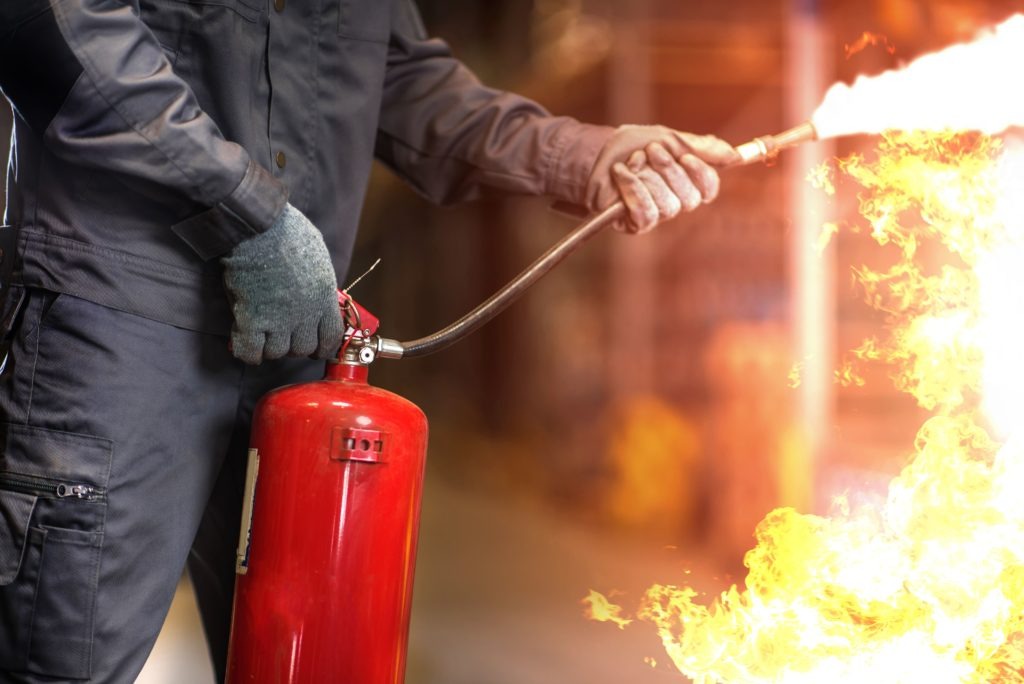
Beyond monitoring and inspections, fire watch teams are equipped to act swiftly when emergencies arise. They know how to alert emergency services, guide evacuations, and use fire suppression equipment efficiently, minimizing damage and keeping people safe. Their role extends to coordinating with on-site personnel to ensure that everyone understands emergency procedures, creating a culture of preparedness rather than panic. This coordination is especially important in environments with multiple hazards, such as construction areas where machinery, flammable materials, and temporary structures increase the potential for accidents. The ability to respond decisively is what separates effective fire watch services from basic monitoring.
In addition to emergency response, fire watch personnel contribute to overall operational safety by documenting hazards, inspections, and corrective actions. Detailed records provide accountability, facilitate regulatory compliance, and offer insight into trends that can inform future safety measures. This combination of monitoring, intervention, and documentation creates a comprehensive fire prevention strategy, ensuring that risks are managed methodically rather than sporadically. It also reinforces the importance of fire safety as a shared responsibility, reminding all staff that vigilance is not optional but a core aspect of a safe workplace.
The presence of Fire Watch Guards transforms potentially hazardous sites into safer, controlled environments. Their training, awareness, and ability to act swiftly protect people, property, and operations from fire risks, not only during spark work but across every area of concern. By combining monitoring, prevention, and rapid response, fire watch teams turn a reactive approach to safety into a proactive system, giving management and workers alike the confidence that hazards are identified, addressed, and mitigated before they can escalate into serious incidents.…